
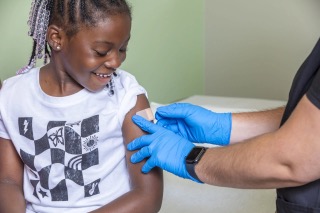


In Tulsa County and across Oklahoma, we have seen firsthand how misinformation can undermine public health. False narratives regarding vaccines have spread faster than the viruses we are trying to contain. The result is clear and concerning: lower vaccination rates, delayed treatments, and a growing distrust in the very institutions designed to protect us.
Recent data shows Oklahoma’s childhood vaccine uptake lags behind the national average, while seasonal flu vaccination rates remain stubbornly low. These numbers aren’t just statistics, they represent real risks to our neighbors, our families and our health care system.
Trust matters because it drives action. When people believe in public health guidance, they’re more likely to follow it — whether that means getting vaccinated, staying home when sick, or seeking care early. Trust is also essential during emergencies, like disease outbreaks or extreme weather events, when timely action can save lives. And perhaps most importantly, trust is the foundation of equity. Misinformation disproportionately affects communities already facing barriers to care, deepening existing disparities and delaying progress for those most in need.
Rebuilding trust starts with transparency. Public health messaging must be clear, consistent and honest. We must meet people where they are and partner with local entities to share accurate information in culturally relevant ways. Listening is just as important as speaking. We need to understand community concerns before we can effectively respond to them.
Local leadership plays a critical role. Public health officials must lead with empathy and evidence, while elected leaders should champion science-based policies and avoid politicizing health decisions. Community champions like pastors, teachers and neighborhood organizers can be powerful messengers, bridging the gap between institutions and individuals.
Tulsa County has a proud tradition of resilience and collaboration. We’ve weathered storms together, and we can overcome this crisis of trust together too. It is important that every resident seeks information from credible sources, asks questions, and engages in respectful dialogue. Public health isn’t just about policy; it’s about people.
At the Tulsa Health Department, we are committed to being your local, reliable, community-driven source of information. As a locally funded and governed city-county agency, THD has served Tulsa County for 75 years. Our team of public health professionals, epidemiologists and community health experts brings decades of experience in managing crises, promoting wellness and protecting the public.
Throughout the COVID-19 pandemic and beyond, THD has consistently prioritized clear, timely updates grounded in data and science. Whether through press briefings, social media, or community forums, THD prioritizes transparency — even when the news is difficult.
Whether responding to disease outbreaks, environmental health threats or emergency preparedness needs, THD has demonstrated competence, coordination and compassion. This is reflected in evidence-based decision-making, our skilled workforce, and our ability to adapt quickly to emerging health threats. Whether managing disease outbreaks or implementing public health programming, THD consistently applies best practices grounded in science and public health expertise.
THD doesn’t just serve the community, we partner with the community. THD listens first so we can respond with collaborative, accessible health solutions. These efforts are evident through our strong partnerships with health care systems, schools, tribal nations, nonprofits, and local governments. THD brings stakeholders together to align resources, share information, and deliver unified responses that reach every corner of Tulsa County.
We are your partner in public health, and we exist to serve you. From Skiatook to Bixby, Sand Springs to Broken Arrow — and everywhere in between — we are deeply committed to maintaining your trust through decades of dedicated service, transparent communication and a deep commitment to protecting and supporting Tulsa County communities in pursuit of optimal health.