


Gardens don’t always require wide open spaces. Whether you have a backyard, a balcony, or simply a sunny corner of a patio, container gardening offers one of the most versatile and creative ways to grow plants. This blog explores how gardeners can adapt their growing methods to fit their space, lifestyle and goals. It focuses on one of the most flexible approaches available such as gardening in containers.
Creative Possibilities with Container Gardening
Container gardening can feel much like creating a living floral arrangement. You can combine colors, textures, and plant types to design something beautiful while also growing herbs, vegetables or pollinator plants. For gardeners without traditional yard space or those who simply want to add dimension to an existing garden then containers open up endless possibilities.
Designing a Container Garden
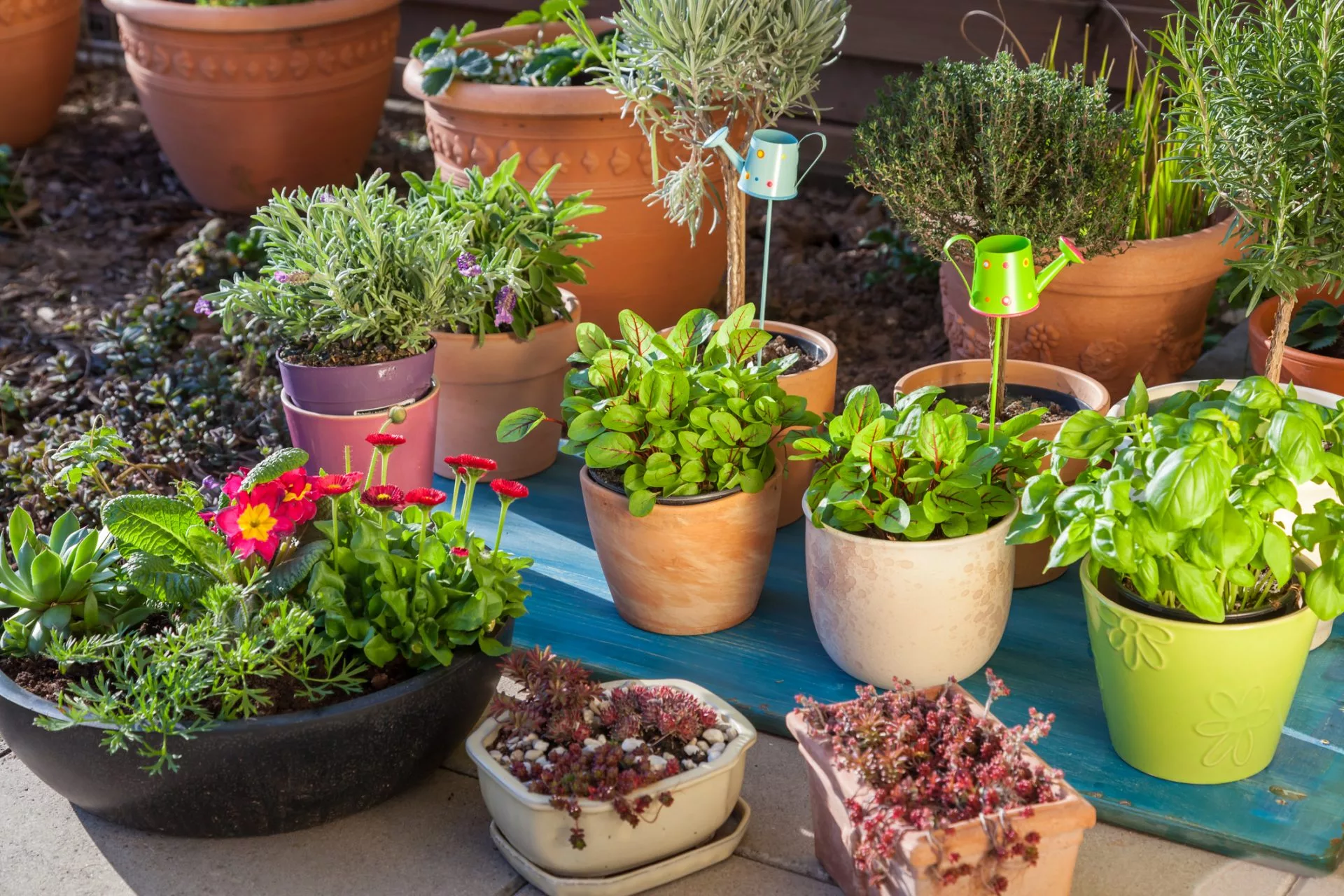
One of the joys of container gardening is the ability to design miniature landscapes. A well-designed container typically includes a mix of heights, textures, and colors.
For example, a striking container arrangement might include:
- Coleus ‘Redhead’, known for its vibrant true-red foliage that adds dramatic color. It grows best in USDA hardiness zones 10–11 but is considered a tender perennial in Oklahoma. While it can tolerate sun, it benefits from afternoon shade in hotter climates.
- Dichondra argentea ‘Silver Falls’, a trailing plant with silvery-gray leaves shaped like miniature lily pads. This plant spreads 3–4 feet while staying only a few inches tall and thrives in full sun to partial shade. Native to southwest Texas and Mexico, it is extremely heat and drought tolerant and works beautifully spilling over the edges of containers or hanging baskets.
Together, plants like these demonstrate the classic container design strategy: a central “thriller,” surrounding “fillers” and trailing “spillers.”
Understanding Your Growing Zone
For decades, gardeners have relied on the United States Department of Agriculture Plant Hardiness Zone Map to determine which plants are most likely to survive winter conditions in their area.
A newly updated map released in 2023 developed by Oregon State University PRISM Climate Group and the USDA’s Agricultural Research Service uses climate data from 1991 to 2020 collected from more than 13,000 weather stations across the country. The updated data suggests the United States is, on average, about 2.5°F warmer than previous maps indicated, shifting roughly half the country into slightly warmer zones.
What does that mean for gardeners? While plant hardiness ratings remain the same, some regions may now be able to experiment with plants rated for slightly warmer zones. However, climate zones are just one factor there is also soil type, humidity, pests and rainfall that also influence plant success.
To learn more about hardiness zones, you can read our last blog post: Know Your Zone and Get Ready for the Spring Planting Season.
Timing Matters: Soil Temperature and Plant Growth
Another critical factor for gardeners is soil temperature. Seeds germinate only within specific temperature ranges, making soil warmth one of the most important variables in gardening success.
For example:
- Beans generally require soil temperatures above 60°F to germinate.
- Peppers and eggplants perform best when soil temperatures reach 68–70°F or higher.
- Some bulbs, such as caladiums, should not be planted until both soil and air temperatures exceed 70°F.
Warm temperatures accelerate plant processes like photosynthesis, respiration and transpiration, leading to faster growth. Cooler conditions slow these processes, which is why gardeners often wait for consistent soil warmth before planting.
In Oklahoma, gardeners benefit from a unique resource: the Oklahoma Mesonet, a statewide network of over 120 weather monitoring stations. Updated every five minutes, the system provides free data on soil temperature, rainfall and planting conditions which is valuable information for planning your garden.
Choosing and Preparing Containers
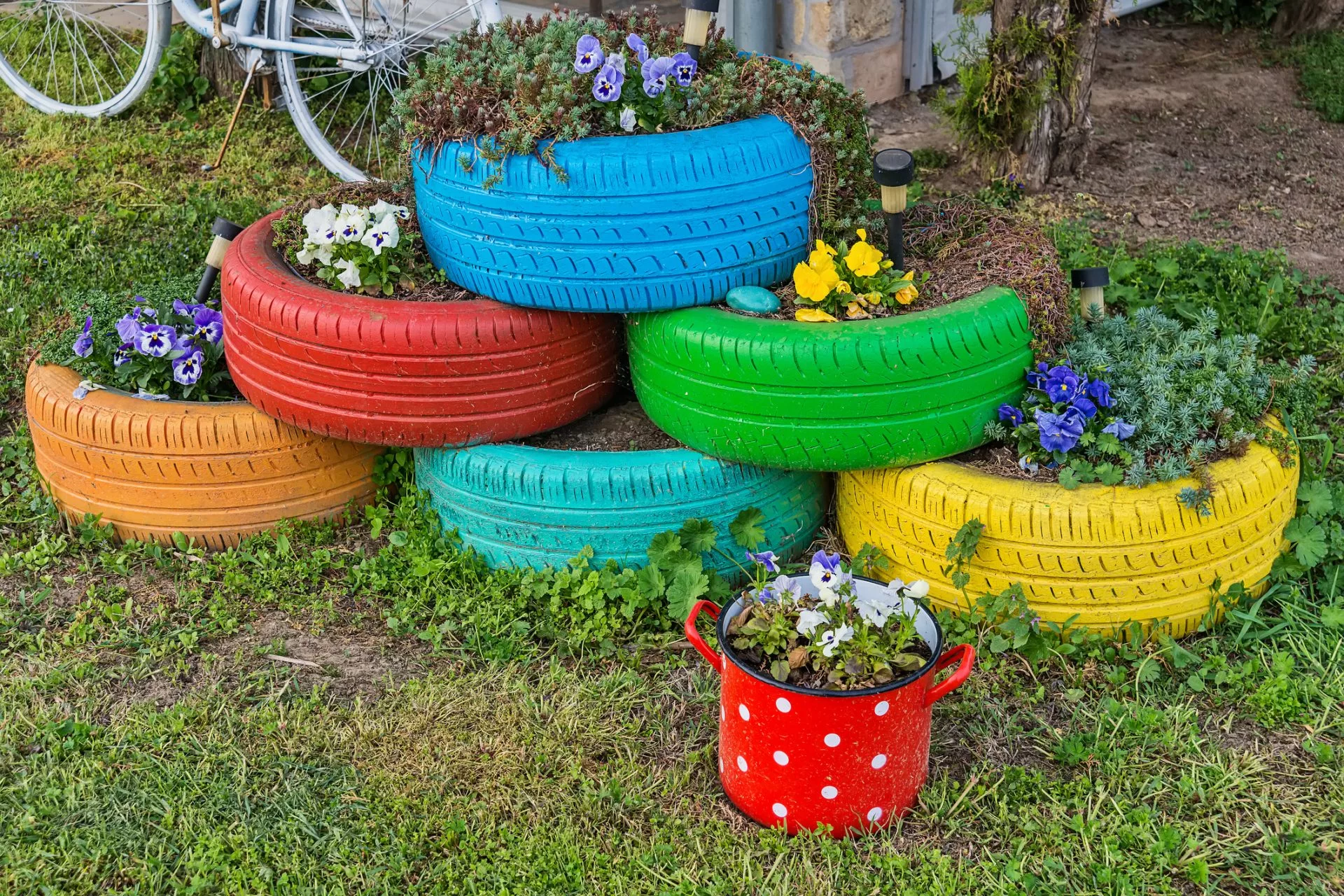
Almost anything can become a container if it has adequate drainage. Traditional pots, hanging baskets, troughs and even repurposed items can work as long as excess water can escape.
Some tips for success:
- Ensure drainage holes are present or drill them if needed.
- Avoid placing a layer of gravel at the bottom of pots. Contrary to popular belief, gravel can actually trap water in the soil above it due to a phenomenon called a perched water table.
- Large containers are generally easier to maintain because they hold more soil and moisture.
- Dark containers absorb more heat and may require more frequent watering.
For potting media, gardeners should avoid using garden soil alone. Instead, use a lightweight soilless mix containing ingredients such as:
- Sphagnum peat moss (about 50%)
- Perlite for aeration
- Vermiculite for nutrient retention
- Composted bark
- Sand for structure
- Dolomitic limestone to balance pH
Plant Selection Tips
The classic gardening principle “right plant, right place” applies just as strongly to containers. When selecting plants:
- Choose plants with similar light and water requirements.
- Avoid pot-bound plants whose roots circle tightly inside the container.
- Look for healthy root systems and gently loosen roots before planting.
- Purchase locally grown plants when possible—they are better adapted to regional conditions.
Containers can support a surprising range of crops, including:
- Tomatoes and peppers
- Cucumbers and squash varieties bred for compact growth
- Leafy greens and root vegetables
- Herbs like basil, rosemary, and chives
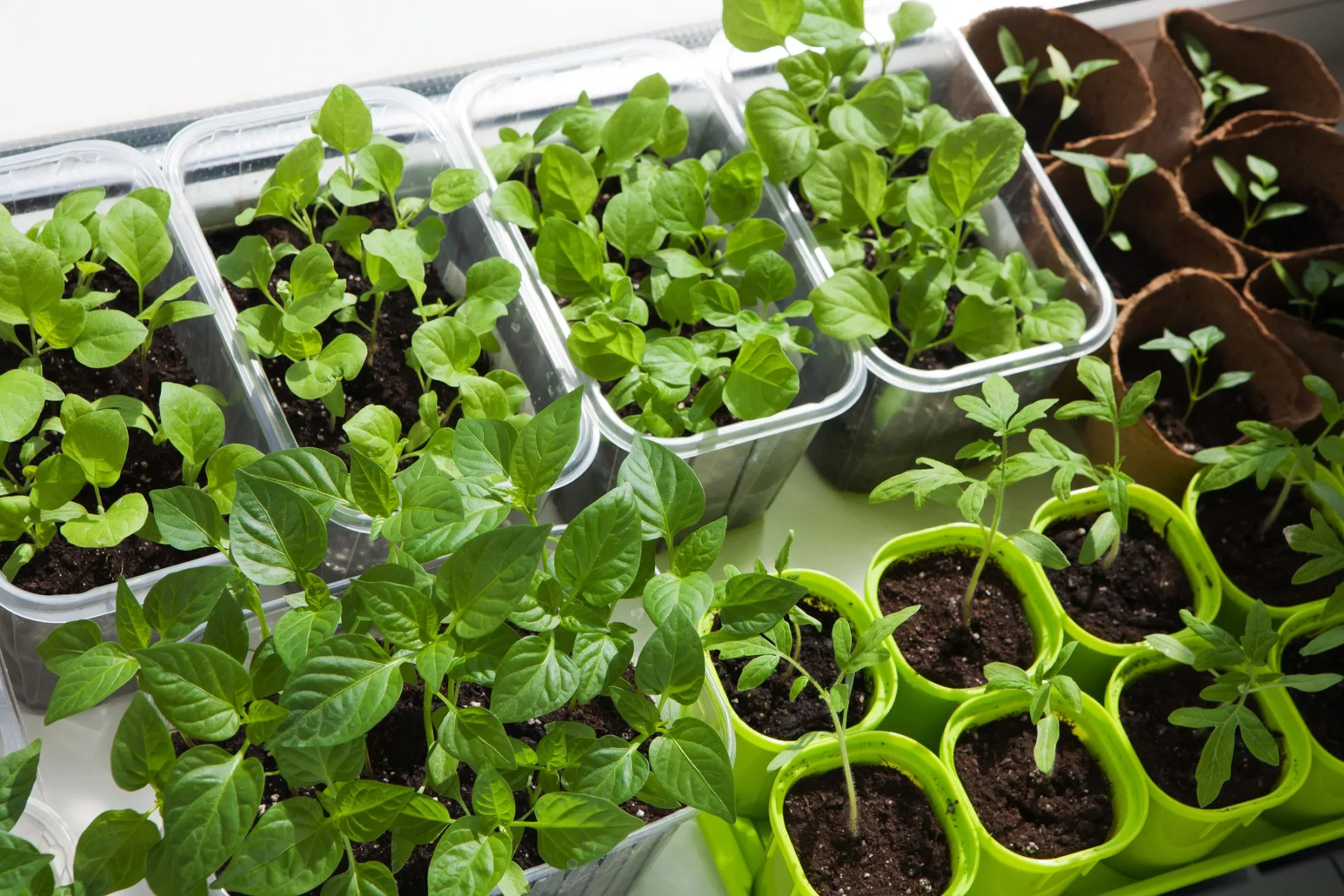
Many gardeners even grow potatoes in potting soil bags, which makes harvesting far easier.
Designing with Color and Structure
Successful container gardens follow basic design principles often used in landscape and graphic design:
Proximity – Group related plants together.
Alignment – Ensure visual connections between elements.
Repetition – Repeat colors, shapes, or textures for cohesion.
Contrast – Use opposing colors or forms to create visual interest.
Color choices also affect the mood of your container garden:
- Analogous colors (next to each other on the color wheel) create harmony.
- Complementary colors (opposite on the color wheel) create bold contrast.
- Monochromatic schemes produce a calm, unified look.
Don’t forget that foliage texture, bark, berries and even fragrance can contribute to the overall sensory experience.
Container Gardening for Small Spaces
Containers make gardening accessible almost anywhere from apartment balconies to rooftop patios. With creative planning, a small space can produce an impressive harvest.
To maximize production:
- Combine tall climbers, low-growing plants, and root crops in the same container.
- Use trellises for vining crops like cucumbers or beans.
- Grow herbs and flowers alongside vegetables for both beauty and pollinator support.
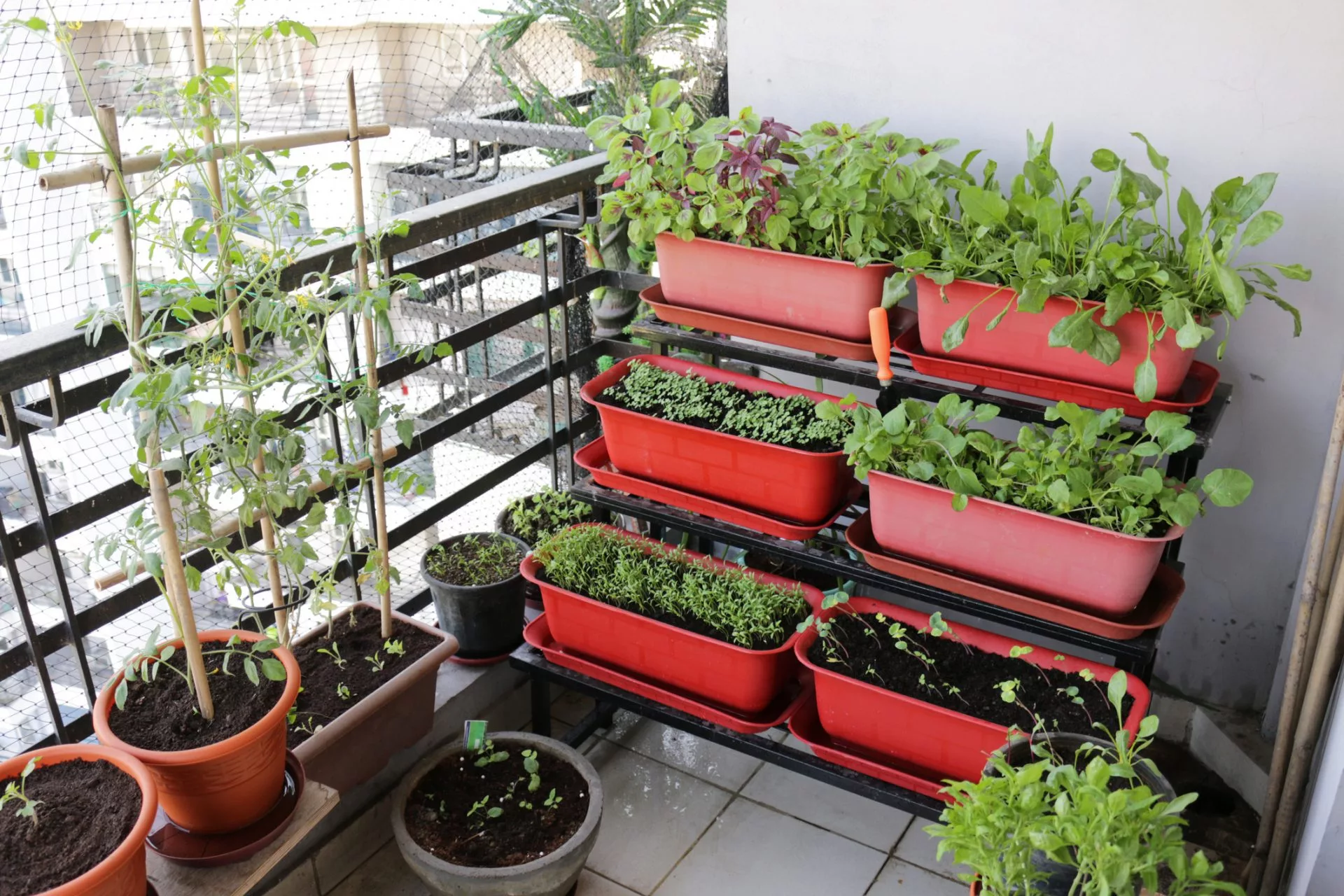
Because containers dry out faster than in-ground beds, regular watering is essential—sometimes twice a day during hot summer weather.
The Importance of Mulch
Mulch plays an important role in both traditional and container gardens. A 2–3 inch layer can:
- Reduce soil moisture loss
- Regulate soil temperature
- Prevent erosion
- Suppress weeds
- Reduce disease caused by soil splash
Organic materials such as shredded leaves, straw, or wood chips slowly decompose, improving soil structure and nutrient availability over time.
Just remember: avoid piling mulch directly against plant stems or tree trunks, which can cause rot.
Growing Success Starts with Good Practices
Healthy gardens come from consistent care and observation. Some essential gardening habits include:
- Testing soil every few years
- Applying fertilizers according to label instructions
- Monitoring plants for pests or disease
- Cleaning tools between uses
- Avoiding working soil when it is wet to prevent compaction
Mulching, composting and choosing regionally adapted plants all help ensure your garden thrives.
Growing Opportunities with Master Gardeners
Gardeners interested in learning more can explore educational programs offered by the Tulsa County Master Gardeners. Their volunteer programs support community gardens, school education, horticultural therapy initiatives and public events.
The Master Gardener orientation for new volunteers takes place each August, with classes beginning in September. Program information and updates can be found at the OSU Extension | Tulsa County Master Gardeners.
Growing Where You Are
Container gardening proves that you don’t need acres of land to cultivate a thriving garden. With the right plants, proper preparation and thoughtful design, containers can transform patios, balconies and small yards into productive and beautiful green spaces.
In the end, the question “Where does your garden grow?” has many answers. It might grow in raised beds, on a balcony, in a hanging basket or wherever your creativity and sunlight allow.
All the information on this blog post was graciously provided by OSU Extension – Tulsa Master Gardeners. To learn more about Tulsa Master Gardeners, visit www.tulsamastergardeners.org.