



With the right planning, many fruits can thrive in a backyard orchard. From peaches and apples to blackberries and grapes, homegrown fruit can be productive, rewarding, and surprisingly manageable. Success starts with choosing varieties that fit your climate, soil, and available space.
Fruit Categories
Fruit crops are commonly grouped into several categories. Pome fruits, such as apples and pears, produce fleshy fruit with multiple seed chambers inside. Stone fruits, including peaches, plums, nectarines, apricots, and cherries, contain a hard pit surrounding the seed. Other excellent backyard fruit crops include persimmons, figs, grapes, blueberries, blackberries, and raspberries. Each type has different growing requirements, but many perform well in home landscapes when properly selected and cared for.
One of the first things new growers should understand is that fruit production takes patience. Some plants reward gardeners quickly, while others require several years before producing significant harvests. Figs and plums may begin bearing within two years, while peaches and nectarines often take about three years. Apples, pears, apricots, and pecans generally require much longer before reaching full production. Despite the wait, the long-term rewards of a productive backyard orchard are well worth the investment of time and care.
Choosing the right fruit trees
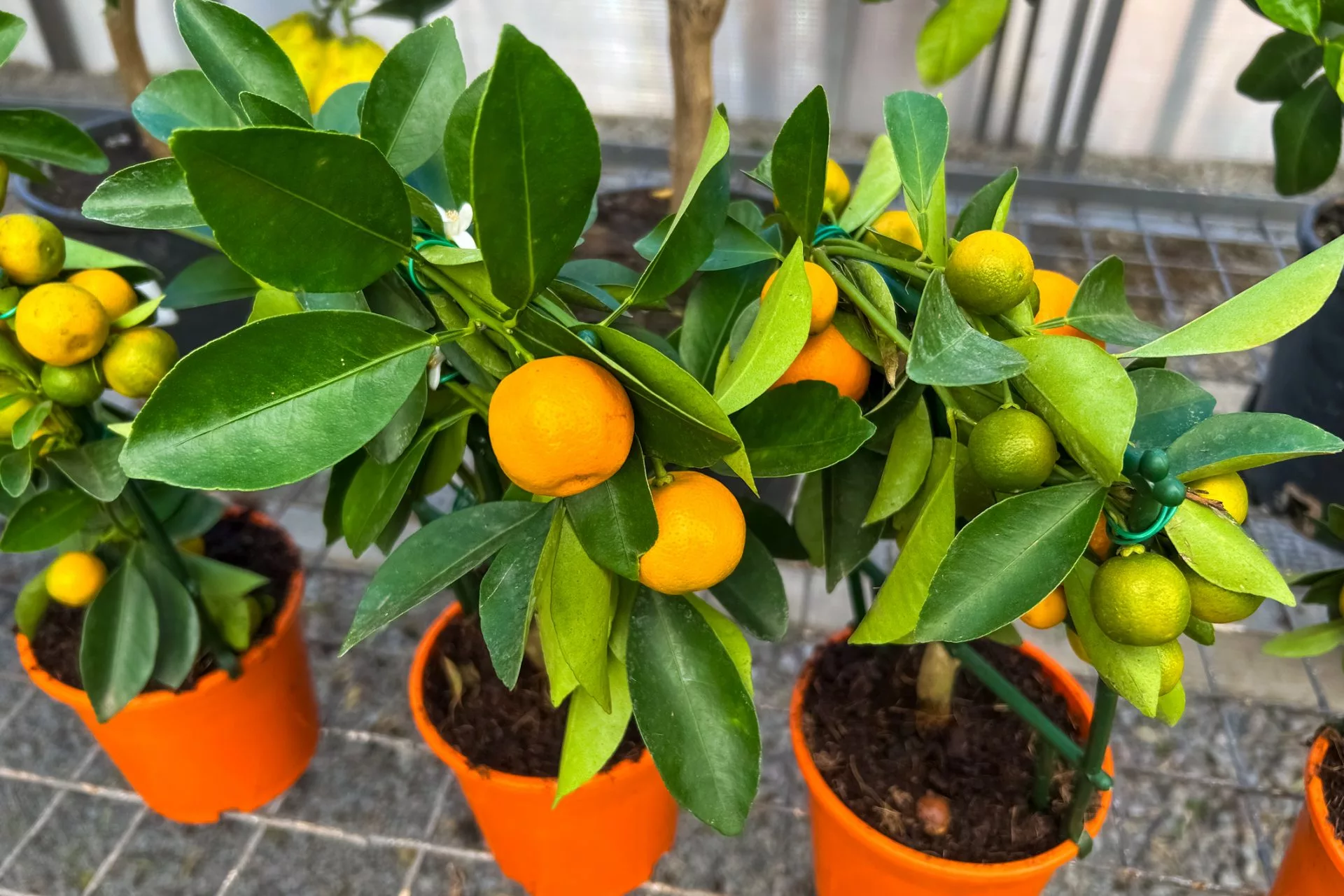
Selecting the right variety is one of the most important decisions a gardener can make. Fruit quality, flavor, harvest season, disease resistance, chilling hour requirements, pollination needs, and adaptability to local weather conditions should all be considered before planting. Fruit trees require a certain number of cold hours during winter dormancy in order to bloom and grow properly in spring. Choosing varieties adapted to Oklahoma and similar climates is essential for long-term success.
For a deeper dive about climate in Tulsa County and how to pick the right plants for your space, visit our previous blog post, Know Your Zone and Get Ready for the Spring Planting Season.
Rootstocks
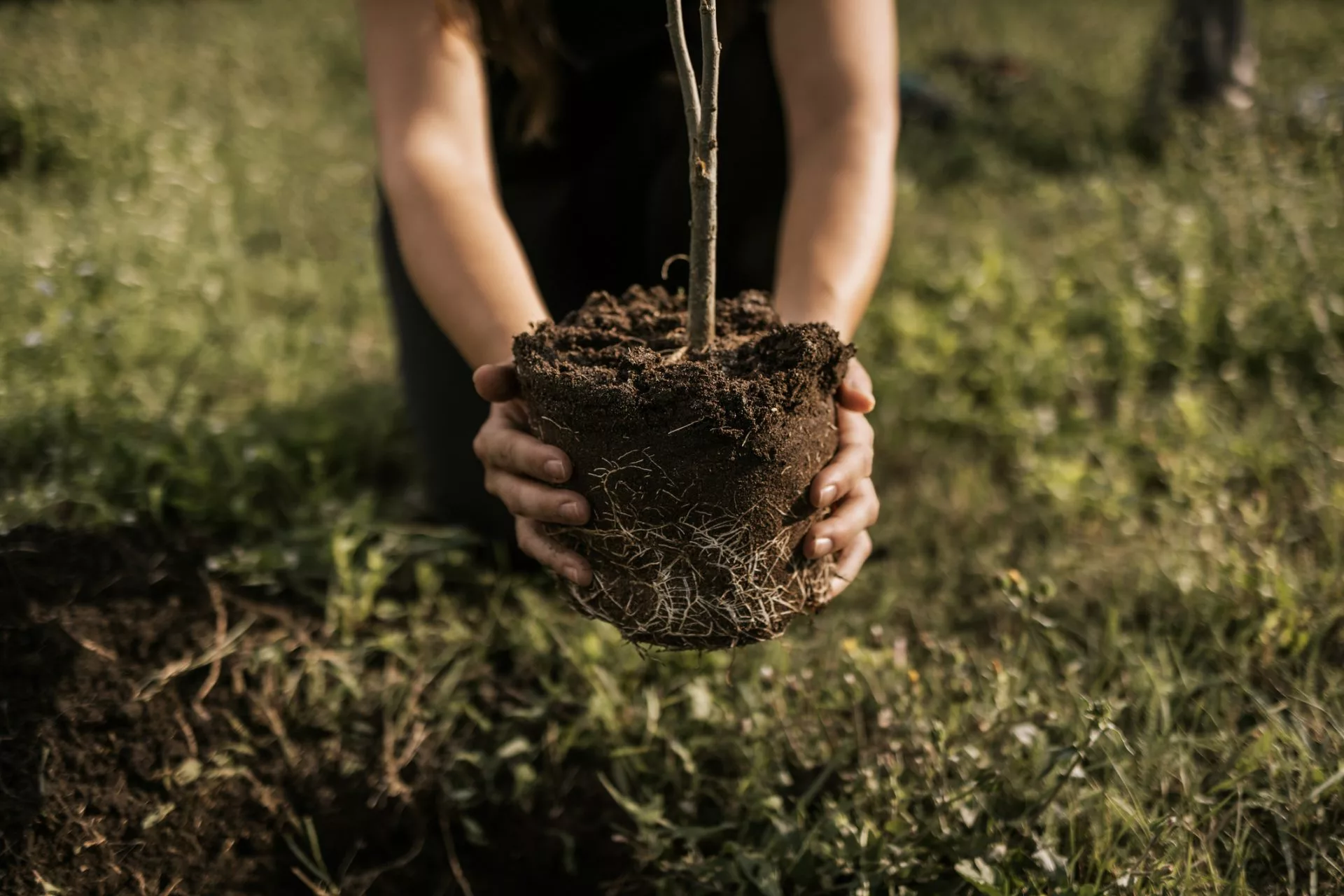
Rootstocks also play a major role in backyard fruit production. A rootstock is the root system onto which a fruit variety is grafted. Rootstocks can improve cold tolerance, increase resistance to pests and soil problems, and control the mature size of the tree. Dwarfing rootstocks are especially valuable for homeowners with limited space because they allow trees to remain compact while still producing full-sized fruit. Younger, smaller trees often establish faster and experience less transplant shock than oversized trees, making healthy root systems and strong branch structure more important than overall tree height.
Pruning and training
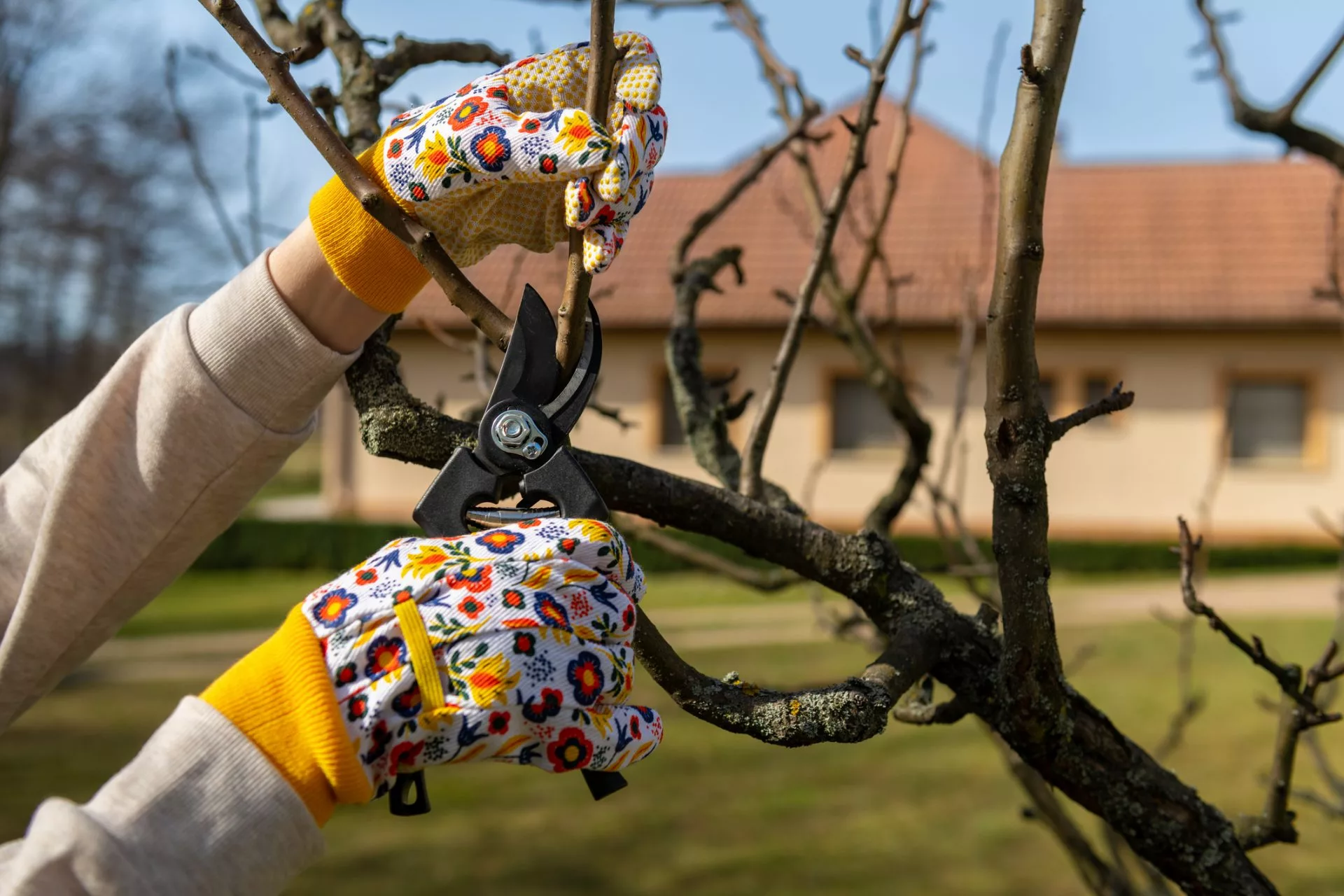
Proper pruning and training are essential for maintaining healthy, productive fruit trees. Peach trees are commonly trained to an open-center shape that improves sunlight penetration and airflow through the canopy, while apple trees are often trained using a modified leader system. Winter is typically the best time for major pruning because trees are dormant and branch structure is easier to see.
Pruning and thinning provide several important benefits:
- Improve sunlight penetration
- Increase fruit quality
- Reduce disease pressure
- Remove damaged or diseased wood
- Maintain manageable tree size
Peach trees also benefit from fruit thinning early in the season. When too many peaches develop on the branches, fruit size suffers and limbs may break under excessive weight. Gardeners commonly thin peaches about four weeks before ripening, leaving roughly 4 to 6 inches between fruits.
Pests and other challenges
Disease and insect management are ongoing parts of fruit production. Peach leaf curl, brown rot, fire blight, spider mites, plum curculio, apple scab, and bitter rot are common challenges for backyard growers. Pears are especially vulnerable to fire blight, which can spread rapidly during warm, wet conditions. Good sanitation, proper pruning, regular monitoring, and selecting resistant varieties can greatly reduce problems.
Helpful management practices include:
- Planting disease-resistant varieties
- Pruning to improve airflow
- Cleaning up fallen fruit and leaves
- Applying preventive sprays or fungicides when needed
- Monitoring regularly for insects and disease symptoms
Where should you start?
For beginners, small fruits are often the easiest place to start. Blackberries are productive, hardy, and relatively low maintenance, adapting well to many soil types with few pest issues. Raspberries can also be rewarding, though they are more sensitive to heat and winter injury. Blueberries provide excellent flavor but require acidic soil conditions, making soil testing and sulfur applications important before planting.
Growing fruit at home takes time, planning, and consistent care, but the rewards can be substantial. A backyard orchard or berry patch can provide fresh produce, shade, beauty, and a stronger connection to the seasons. With thoughtful variety selection, proper pruning, pest management, and patience, homeowners can enjoy productive harvests from their own backyard for many years.
All the information on this blog post was graciously provided by OSU Extension – Tulsa Master Gardeners. To learn more about Tulsa Master Gardeners, visit www.tulsamastergardeners.org.