

Tulsa Health Department – Epidemiology Program
It’s that time again—sharpened pencils, packed lunches and… sore throats? Like clockwork, the “back-to-school plague” hits homes just as students settle into new routines. But why does it happen every year and what can families do to stay ahead of the germs?
This post dives into why illness strikes so soon, what’s spreading it and how to protect kids (and teachers) through smart, science-based prevention.
Illness doesn’t have to be part of the back-to-school routine. With a few smart habits—plus help from your local public health team—we can reduce absences, boost immunity, and keep classrooms thriving.
Why Do So Many Kids Get Sick After School Starts?
August is prime time for outbreaks because:
- Kids are suddenly sharing close space and air again.
- Germs from summer travel meet new germs from classmates.
- Sleep schedules are off, and immune systems are adjusting.
How Germs Spread in the Classroom
Desks, water fountains, pencil sharpeners and classroom devices are high-touch zones. Without consistent cleaning or handwashing, viruses can hop from surface to surface—and hand to face—fast.
Make sure to clean hotspots frequently with a disinfectant.
Hotspots:
- Shared supplies
- Door handles
- Water fountains
- Phones & tablets
Does Handwashing Actually Work?
Yes—when done right. Research shows handwashing cuts respiratory illnesses by up to 21% in schools. But students often skip it or do a quick rinse without soap.
Tip: Make handwashing visible. Teachers and parents can model 20-second routines and use signage in bathrooms and classrooms.
What’s Living on Your Desk?
Studies show that classroom desks and shared keyboards can host more germs than a toilet seat. From cold viruses to stomach bugs, these surfaces are overlooked—yet heavily used. A quick daily disinfecting routine (not just once a week!) can make a huge difference.
Do Sick Kids Really Need to Stay Home?
Short answer: Yes. Even mild symptoms like runny noses or fatigue can lead to outbreaks in school settings. Most schools follow 24-hour fever-free and symptom-free guidelines for return.
Check your school’s illness policy and keep backup childcare plans ready.
Why College Dorms Are Perfect for Viruses
It’s not just K–12. College students are also vulnerable thanks to:
- Relocation to college in potentially far off places with different health risks
- Shared living spaces like dorm rooms, bathrooms, and kitchens with others from different places
- Sleepless nights
- Stressed immune systems
- Lack of routine cleaning
Common dorm illnesses: Mono, meningitis, norovirus, flu and COVID-19. Encourage your student to stay up to date on vaccinations and practice routine hand hygiene especially before eating or touching your face.
Local Support from THD
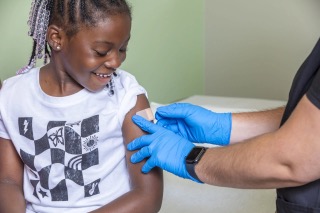
Our public health clinics offer vaccinations required for school and college, as well as illness education resources. Visit our Back to School page for clinic locations and hours.
The Tulsa Health Department also offers comprehensive immunization clinical services to protect individuals and the community from vaccine-preventable diseases. Services include routine childhood vaccinations, adult immunizations and overseas vaccines. Walk-in services are available on certain days otherwise appointment needed. For more information visit our Immunizations page or call 918-582-9355.