


Rabies is a viral disease that affects the central nervous system and can lead to brain disease and death if untreated. Transmission occurs through bites or scratches from infected animals.
The first symptoms of rabies may be like the flu, including weakness or discomfort, fever, or headache. There also may be discomfort, prickling, or an itching sensation at the site of the bite. Usually, severe disease appears within two weeks of the first symptoms, when the rabies virus causes anxiety, confusion, agitation, and hallucinations. This includes the “classic” rabies symptoms of being very thirsty but panicked by fluids, having lots of saliva, and aggressive behavior like thrashing and biting.
Once clinical signs of rabies appear, the disease is almost nearly always fatal. It is critical to seek medical care and/or contact the Oklahoma State Department of Health’s Epidemiologist-on-call immediately upon suspicion of rabies exposure at (405)426-8710.
In the U.S., rabies is rare in humans, with fewer than 10 deaths reported annually. However, approximately 60,000 Americans undergo post-exposure prophylaxis (PEP) each year due to potential exposure. PEP is a treatment that one goes through after having a high-risk exposure to prevent infection and/or illness.
Oklahoma’s primary reservoir is skunks with bats being the most common reservoir in the U.S with bites often going unnoticed. Travelers to areas with high rabies prevalence should be aware of dog-transmitted rabies risks.
The Tulsa Health Department’s Epidemiology program ensures efficient responses to animal bites and suspected rabies exposures. In collaboration with the Oklahoma State Department of Health (OSDH), animal control services, and local veterinarians, THD epidemiologists:
If you experience an animal bite or suspect rabies exposure:
Pre-Exposure Vaccination
3 Doses for high-risk groups; e.g., farmers, zoo staff or veterinarian staff.
Post-Exposure Prophylaxis (PEP)
If exposed, immediately clean the wound with soap and water and seek medical care. Vaccination schedules depend on prior vaccination status, bite incident and the health status of the animal in question and person bitten.
Key Prevention Tips:
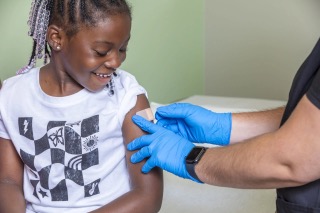
If you may have been exposed to rabies, you should urgently seek medical attention. Medical care following a rabies exposure is called post-exposure prophylaxis (PEP). PEP includes wound care, human rabies immune globulin (HRIG), and a series of four or five rabies vaccines, which must be given as soon as possible after an exposure. You must get this care to prevent the disease from developing, and it’s nearly 100% effective if you get it promptly after exposure.
Individuals with higher risk of rabies, such as farmers, zoo staff, or veterinarian staff, should receive pre-exposure vaccination. Regardless of rabies vaccination status, it is imperative to immediately clean the wound with soap and water and seek medical care.
Tulsa County Selected Animal Control and Sheriff’s Office Contacts
City | Jurisdiction | Phone |
Tulsa | City of Tulsa | 8am-6:30pm 918-596-8000 Weekends 918-596-8010, 918-596-8001 |
Bixby | Bixby Police Department | 918-366-8294 |
Broken Arrow | Broken Arrow Police Department | Main 918-259-8311 After hours 918-451-8400 |
Collinsville | Collinsville Police Department | 918-371-1000 |
Glenpool | Glenpool Animal Control | 918-322-8110 |
Jenks | Jenks Police Department | 918-299-9511 |
Owasso | City of Owasso | Police Dispatch 918-272-2244 |
Sand Springs | Sand Springs Fire Department, Neighborhood Services | 918-246-2543 |
Skiatook | Chief of Police, City of Skiatook Animal Control | Animal Control 918-396-2424 Police 918-396-2424 |
Sapulpa | Sapulpa Police Department | 918-227-5100 |
Sperry | Sperry Police Department | 918-288-7333 |
Tulsa County Unincorporated | Tulsa County Sheriff’s Office | After hours 918-596-9222 Main 918-596-5701 |
We have 9 locations across Tulsa County that offer a variety of services to help you and your family stay healthy.