


As cooler weather moves into Oklahoma and across much of the northern United States, many people begin planning trips to enjoy warmer destinations like Florida, Arizona, Texas, Mexico and the Caribbean. This yearly migration, often called “snowbird season,” includes retirees and long-term snowbirds that usually depart between late October and early November, staying through the winter months, with the peak season running from December through February. It also includes families and holiday vacationers often travel around Thanksgiving week and especially in the last two weeks of December, when schools and workplaces take breaks. And there are some early spring break travelers and younger groups typically start leaving in late January or early February, with the busiest travel weeks falling between February and mid-March.
While travel is a great way to relax, explore and spend time with loved ones, it also brings certain health risks that are important to keep in mind before you pack your bags. When more people are on the move, there is a greater chance for the spread of certain illnesses. Some of the conditions that health experts watch closely during travel season include:
- Influenza (flu): Cases often increase after holiday gatherings and travel. This year’s vaccine is expected to provide stronger protection.
- COVID-19: Still circulating, though much more manageable with vaccines, boosters and home testing.
- Respiratory illnesses such as RSV: Can spread quickly in crowded travel settings.
- Mosquito-borne illnesses like dengue and chikungunya: More common in tropical destinations but trending globally this year and can be brought back home easily.
- Food- and water-related illnesses (like hepatitis A or gastrointestinal infections): Can occur when eating or drinking in new environments.
If you or your family are planning to travel this fall or winter, consider these steps to stay healthy:
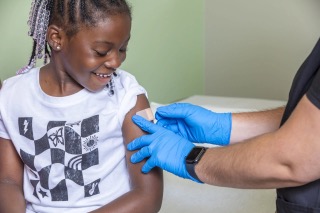
- Stay up to date on vaccines: Flu, COVID-19 and boosters for other conditions like pertussis (whooping cough) are especially important. If traveling internationally, check if you need additional vaccines, such as hepatitis A or yellow fever.
- Practice food and water safety: Wash hands often, drink bottled or treated water when recommended and be cautious with raw or undercooked foods.
- Protect yourself from mosquitoes: Use EPA-approved insect repellent, wear long sleeves and pants when possible and remove standing water around where you stay.
- Pack smart: Bring along masks for tight enclosed spaces, hand sanitizer, basic medications and any prescriptions in their original bottles.
- Watch for symptoms after returning: If you develop fever, cough, rash or stomach illness in the weeks after travel, contact your healthcare provider and let them know where you’ve been.
- Consult a travel nurse at the Tulsa Health Department before you travel internationally: Call 918-582-9355 or go online to schedule an appointment. Our nurses can provide a Travel Packet with tailored vaccine recommendations, health tips and safety information to keep you protected both while traveling and when you return home.
Traveling during the colder months is a tradition for many, whether it’s to escape the cold, visit family or enjoy some sunshine. By taking a few simple precautions before and during your trip, you can help protect yourself and those around you from bringing illness back home.